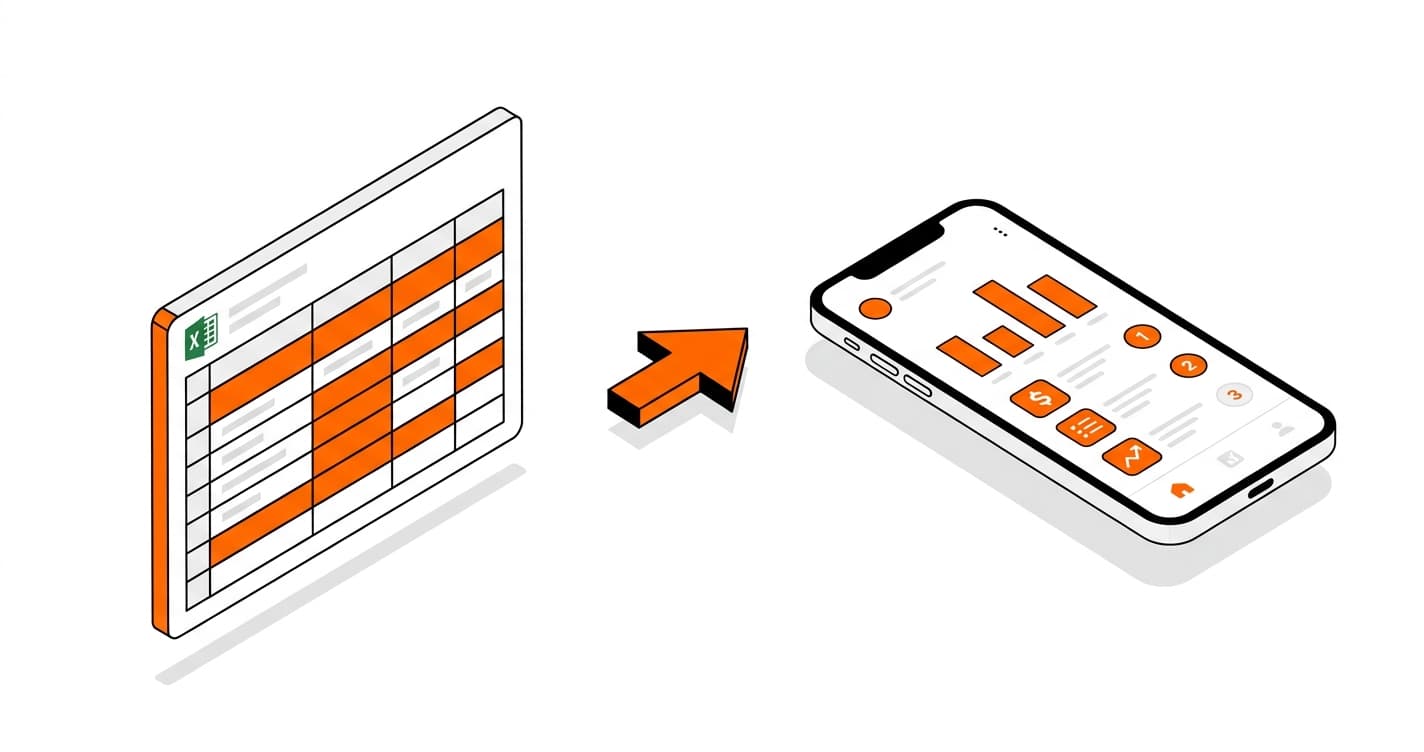
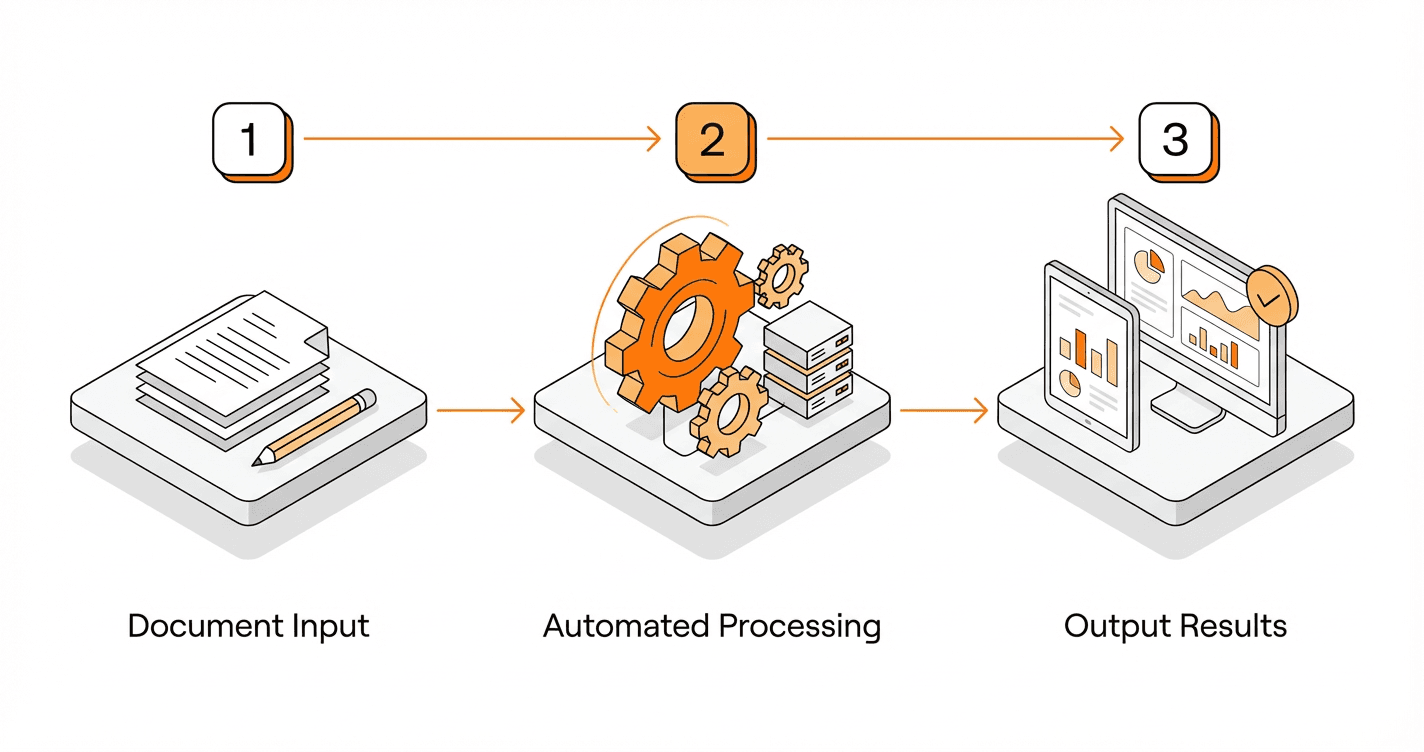
In a professional environment where companies are constantly looking to boost efficiency, reduce errors and streamline collaboration, the workflow has become a key concept. Often mentioned in project management, IT or work organization, the workflow is still sometimes misunderstood or used loosely.
Behind this term lies an essential notion: the structuring of work processes. A workflow clearly defines the steps of a task, each person’s role, the required approvals and the logical sequence of actions. It transforms often informal working methods into clear, measurable and repeatable processes.
Adopting an effective workflow is not just about organizing tasks. It also means improving team productivity, strengthening deliverable quality, reducing lead times and providing better visibility into project progress. In an increasingly digital professional environment, the workflow has become a genuine performance driver.
In this article, we will first offer a clear definition of workflow, then explain its main business benefits. The goal is to understand why workflow is now an indispensable tool for structuring work and supporting organizational growth.
Workflow: what exactly is it?
A workflow refers to the structured organization of a set of tasks required to complete a work process. It defines who does what, in what order, with which tools and according to which validation rules. The goal is to transform a series of sometimes informal actions into a clear, smooth and repeatable process.
Workflows are used in small teams and large enterprises alike, across a wide range of fields: project management, human resources, finance, IT, marketing and customer relations. It provides an operational framework that optimizes how work flows through an organization.
A logical sequence of tasks
At the heart of a workflow lies the concept of sequence. Each task is connected to the next according to a precise logic. One action triggers the next — sometimes automatically, sometimes after human approval. The workflow thus prevents oversights, duplications or bottlenecks caused by poor coordination.
Unlike a simple task list, a workflow incorporates:
- mandatory steps
- rules for moving from one step to the next
- specific conditions depending on the situation
- clearly defined responsibilities
This structure ensures that the process moves forward consistently, without relying solely on individual memory or initiative.
A formalization of work processes
A workflow primarily serves to formalize internal processes. Where some methods rely on habits or informal exchanges, a workflow imposes a clear, documented framework. Every team member knows exactly what they need to do, when and in what context.
This formalization is particularly useful when:
- multiple people are involved in the same task
- processes are repetitive
- quality or compliance requirements are high
By structuring work, the workflow reduces uncertainty and improves operational reliability.
A coordination tool for teams
The workflow plays a key role in team coordination. It synchronizes actions across different departments, even when they have different constraints or priorities.
Each participant in the workflow acts at a specific moment, with a clear view of:
- what has already been done
- what needs to be done next
- who is responsible for the next step
This visibility fosters collaboration, limits friction and improves internal communication.
Partial or full task automation
In many contexts, workflows are associated with digital tools capable of automating certain actions. This may include sending a notification, triggering an approval, generating a document or updating a status.
Automation makes it possible to:
- save time
- reduce human errors
- accelerate processes
- standardize practices
However, a workflow does not have to be automated. It can also be entirely manual while remaining structured and effective.
An adaptable and scalable framework
Contrary to a common misconception, a workflow is not set in stone. It is designed to be adaptable and scalable. As the company grows, tools change or needs evolve, the workflow can be adjusted.
This capacity for evolution is essential to prevent processes from becoming obsolete or burdensome. A good workflow is a structuring framework, but never a rigid one.
A key concept in organizational performance
The workflow is not limited to an operational dimension. It is a strategic lever for improving the company’s overall performance. By analyzing a workflow, it is possible to identify:
- bottlenecks
- unnecessary tasks
- steps that take too long
- poorly defined responsibilities
This analysis makes it possible to optimize processes, reduce costs and improve the quality of work produced.
A concise definition of workflow
In summary, a workflow is a structured process that organizes the flow of tasks and information within a company. It defines the steps, roles, rules and interactions required to complete a piece of work efficiently, consistently and repeatably.
When well designed, a workflow becomes a true organizational foundation, facilitating collaboration, automation and team performance improvement.
What are the main benefits of workflow in business?
The benefits of workflow in business are numerous and directly impact operational efficiency, work quality and overall performance. To better understand their scope, here are the main workflow benefits, presented in a clear and structured way.
| Workflow benefit | Description |
|---|---|
| Productivity gains | The workflow structures tasks and their sequence, reducing wasted time, hesitation and unnecessary actions. |
| Error reduction | Mandatory steps, validations and defined rules limit oversights and human errors, particularly in repetitive processes. |
| Better visibility | It enables real-time tracking of task progress, identification of bottlenecks and anticipation of delays. |
| Team coordination | The workflow clarifies roles and responsibilities, facilitating cross-departmental collaboration and reducing internal silos. |
| Task automation | Certain actions can be triggered automatically (notifications, approvals, status updates), accelerating processes. |
| Practice standardization | Working methods become consistent across the entire company, ensuring coherent task execution. |
| Quality improvement | Built-in checkpoints enhance deliverable reliability and compliance with internal or regulatory requirements. |
| Time savings for managers | Better visibility and clear processes make steering, monitoring and decision-making easier. |
| Easier onboarding | New employees understand internal operations more quickly thanks to clearly defined processes. |
| Organizational scalability | The workflow allows the business to absorb growth without disruption by simply adapting certain steps. |
| Continuous optimization | Workflow analysis helps identify friction points and continuously improve internal processes. |
Day-to-day productivity gains
- Clarification of tasks and their execution order, eliminating hesitation and wasted time
- Removal of unnecessary or redundant actions through a clearly defined process
- Reduction of interruptions caused by organizational questions (« who does what? », « when? »)
The workflow allows teams to focus on execution rather than organization, immediately improving productivity.
Reduction of errors and oversights
- Implementation of mandatory steps that secure the process
- Integration of approvals or checks at key moments
- Limitation of human errors caused by improvisation or poor coordination
By structuring work, the workflow makes operations more reliable, particularly in sensitive or repetitive processes.
Better visibility into task progress
- Clear tracking of the status of each action
- Rapid identification of bottlenecks or delays
- A global view of processes for managers and teams
This transparency facilitates steering, decision-making and the anticipation of problems before they become critical.
Improved collaboration between teams
- Clear definition of each person’s roles and responsibilities
- Smooth coordination between departments involved in the same process
- Reduction of silos and internal misunderstandings
The workflow acts as a common language between teams, strengthening collaboration and the consistency of collective work.
Automation of repetitive tasks
- Automatic triggering of actions (notifications, approvals, status changes)
- Reduction of low-value manual tasks
- Overall acceleration of processes
When well integrated into the workflow, automation frees up time for more strategic work and improves overall efficiency.
Standardization of internal practices
- Application of consistent working methods across the entire company
- Reduction of quality gaps between teams or individual contributors
- Easier transfer of processes to new employees
Thanks to the workflow, the company ensures consistent task execution regardless of the individuals involved.
Improvement of work quality
- Structuring of key process steps
- Integration of quality checks at strategic moments
- Clearly identified responsibilities at each phase
This organization enhances deliverable reliability and improves satisfaction among internal and external clients.
Facilitating scale-up and growth
- Processes capable of adapting to increased activity volumes
- Ability to add resources without disrupting operations
- Maintaining control even during periods of rapid growth
A well-designed workflow allows the company to grow without sacrificing efficiency or quality.
Continuous process optimization
- Analysis of time-consuming or inefficient steps
- Identification of recurring bottlenecks
- Progressive improvement of working methods
The workflow provides a solid foundation for continuously measuring, analyzing and improving internal organization.
In summary, workflow delivers concrete, measurable benefits: increased productivity, error reduction, better coordination, automation, enhanced quality and scalability. It is an indispensable strategic tool for any company looking to durably structure its processes and improve performance.