As digital transformation accelerates, more and more companies are looking for tools that can adapt precisely to their business needs. While off-the-shelf software can address certain general challenges, it quickly shows its limitations once processes become more specific. This is the context in which a strategic solution has emerged: custom SaaS software.
But what exactly is custom SaaS software? Unlike ready-made software, a custom SaaS solution is designed specifically for a company, its use cases, its constraints and its objectives. Accessible online, scalable and configurable, it combines the advantages of the SaaS (Software as a Service) model with a design entirely tailored to users’ real needs.
Custom SaaS software does more than simply digitize tasks. It optimizes internal processes, improves productivity, facilitates decision-making and supports the company’s long-term growth. It becomes a genuine performance driver, capable of evolving alongside the business.
In this article, we will explain what custom SaaS software is, how it differs from standard SaaS software, why it is attracting a growing number of companies, and in which situations it represents the most relevant solution.
What Is the Difference Between Custom SaaS Software and Standard SaaS Software?
When a company wants to digitize its processes or develop a business tool, it often faces a strategic choice: opt for standard SaaS software or invest in custom SaaS software. Although both are based on the same distribution model (online access, subscription, cloud hosting), these two solutions follow very different logics.
Standard SaaS software is designed to meet the needs of the widest possible audience. It is developed for a broad market, with generic features applicable to many companies regardless of their sector or internal specificities. By contrast, custom SaaS software is built exclusively for a given organization, based on its processes, objectives and business constraints.
The first major difference lies in the level of customization.
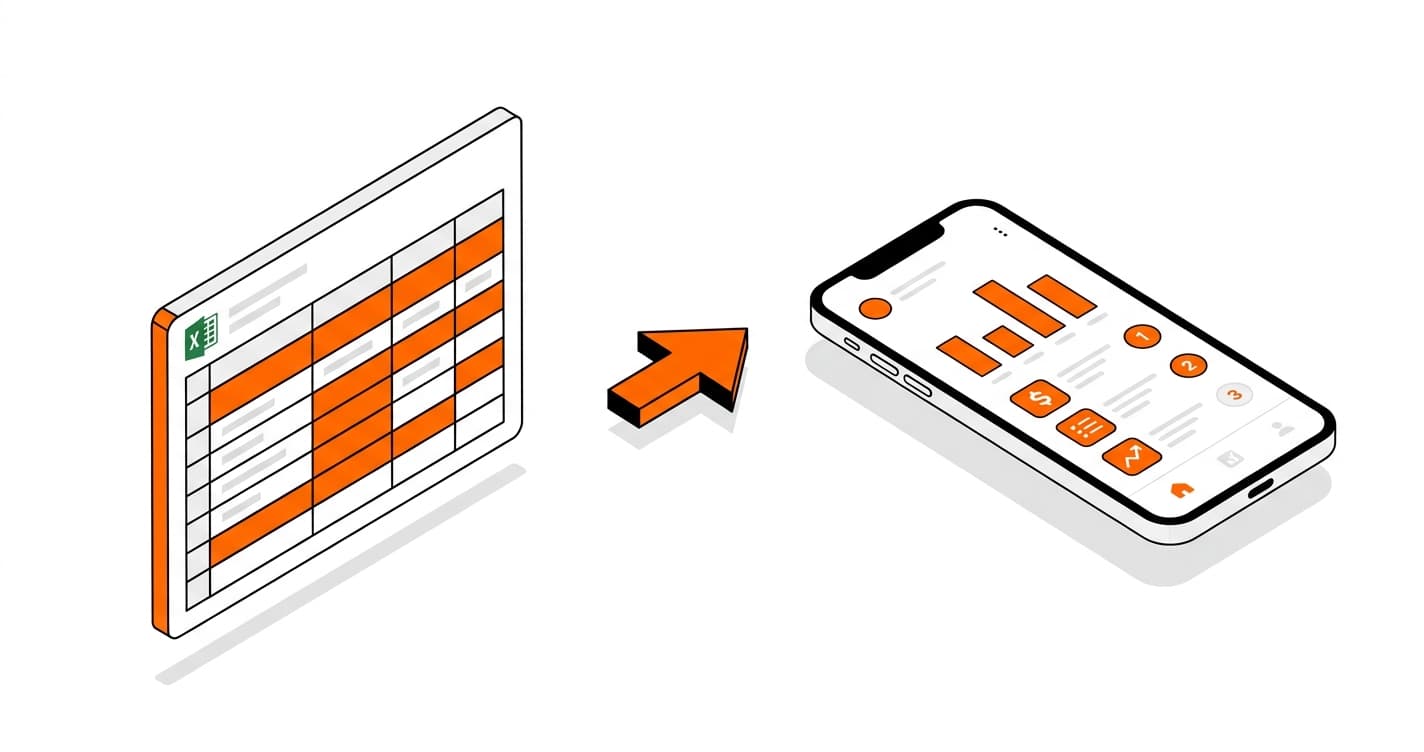
Standard SaaS offers predefined features, sometimes adjustable through options or settings, but always within a limited framework. Companies often have to adapt their working methods to the software.
Custom SaaS, on the other hand, adapts entirely to the company. Features are developed based on teams’ actual usage, making it possible to align perfectly with real-world operations.
Flexibility is another key differentiating factor. With standard SaaS, updates depend on the vendor and its product roadmap. Specific requests are rarely prioritized. With custom SaaS, the solution is inherently scalable: it can be enhanced, modified or adjusted as the company grows or its needs evolve.
In terms of performance and efficiency, the difference is also significant. Standard software may include many unused features, which clutters the interface and complicates the user experience. Custom SaaS, by contrast, focuses exclusively on essential features, which improves productivity, reduces errors and makes onboarding easier.
The question of integration with existing tools is also a decisive factor. Standard SaaS solutions often offer limited or generic integrations. Custom SaaS is designed to integrate seamlessly into the company’s ecosystem (ERP, CRM, internal tools), ensuring smooth data flow.
From a financial standpoint, standard SaaS often appears more accessible in the short term, thanks to a lower monthly subscription. However, over time, costs related to add-ons, functional limitations and internal adaptations can accumulate. Custom SaaS represents a higher initial investment, but delivers a better return on investment thanks to its perfect alignment with business needs.
Finally, control over the tool differs significantly. With standard SaaS, the company is entirely dependent on the vendor. With custom SaaS, it retains full strategic ownership of its tool, its data and its future developments.
In summary, the difference between custom SaaS software and standard SaaS software comes down to a clear distinction:
- standard SaaS prioritizes speed of deployment and broad applicability
- custom SaaS bets on personalization, performance and long-term sustainability
The choice therefore depends on the level of requirements, the complexity of processes and the company’s ambitions.
What Are the Advantages of Custom SaaS?
Custom SaaS is more than just a digital tool. It becomes a strategic lever capable of sustainably supporting a company’s growth. Unlike standard solutions, it is designed to meet specific business needs precisely, which gives it many concrete advantages.
A Solution Perfectly Tailored to Business Needs
The first advantage of custom SaaS is its total alignment with internal processes. Every feature is designed based on teams’ actual usage, with no unnecessary extras or constraints. The company does not have to adapt its way of working to the software: the software adapts to the company.
The result: greater consistency, less friction and better operational efficiency.
Better Day-to-Day Productivity
Custom SaaS directly improves team productivity. Users access only the features they need, through a clear and intuitive interface. Repetitive tasks can be automated, errors reduced and processes accelerated.
Less time wasted, more value created.
An Optimized User Experience (UX)
The user experience is a cornerstone of custom SaaS. The tool is designed around end users, their habits and their constraints. This makes onboarding easier, limits resistance to change and encourages rapid adoption of the software by teams.
A well-designed SaaS gets used; a poorly adapted one gets bypassed.
Full Scalability Over Time
Unlike standard solutions locked into a vendor roadmap, custom SaaS is inherently scalable. It can grow with the company, incorporate new features, adapt to new markets or handle increased load.
This flexibility protects the investment over the long term.
Seamless Integration with the Existing Ecosystem
Custom SaaS integrates easily with tools already in place: ERP, CRM, internal software, third-party APIs, accounting or marketing tools. This interconnection ensures smooth data flow and eliminates duplicate data entry, which is often a source of errors and wasted time.
Better Control Over Data and Security
With custom SaaS, the company retains full control over its data. Security rules, access rights and confidentiality levels are defined on a bespoke basis. This makes it easier to meet regulatory requirements (GDPR, data security, sector-specific compliance) and strengthens internal and external trust.
A Lasting Competitive Advantage
Custom SaaS becomes a differentiating tool. It enables companies to optimize unique processes, improve service quality or offer new features that cannot be replicated with standard tools.
This technological advantage can become a genuine strategic asset against the competition.
A Better Return on Investment Over the Long Term
While custom SaaS requires a higher initial investment, it delivers a superior ROI over the long term. Fewer unnecessary licenses, less productivity loss, fewer internal workarounds: the tool pays for itself through its real-world efficiency and its perfect alignment with business needs.